
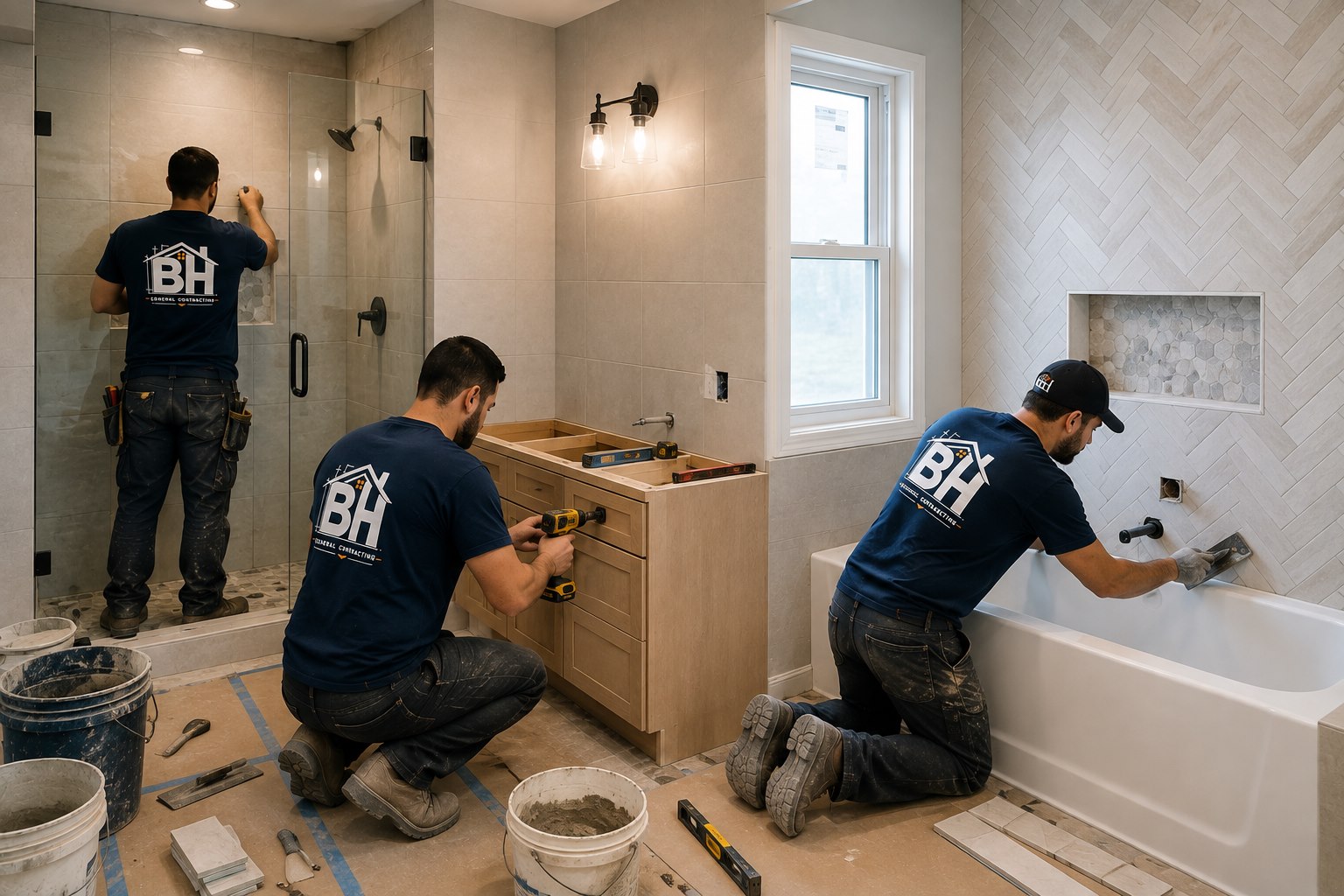
Bathroom quotes for what looks like the same project can differ by thousands of dollars. Many homeowners also discover the true cost of their remodel only after the old tile comes off. Spending on these projects keeps rising, and the median primary bathroom renovation reached $15,000 after a 15.4% yearly increase. Solid planning keeps those numbers under control. A realistic budget for Bathroom Remodeling protects you from mid-project surprises and shows where your money matters most.
To budget for a bathroom remodel, define the scope first, price labor and materials separately, and set aside 10 to 20% of the total for hidden problems. Most full bathroom remodels in the Cleveland area cost between $8,000 and $18,000.
Bathroom Remodel Costs in 2026
Room size and the depth of the work decide most of the cost. National figures put a midrange bathroom remodel at $26,138, while upscale projects average $81,612. The three common budget tiers cover the following work:
Budget Tier | Typical Scope | Typical Cost |
Cosmetic refresh | Paint, lighting, mirror, hardware, faucet and new toilet | $3,000 to $8,000 |
Midrange remodel | New vanity, tile, tub or shower and fixtures in the same layout | $10,000 to $26,000 |
Full or upscale remodel | Layout changes, custom shower, premium tile or stone, heated floors | $40,000 to $80,000 or more |
Local labor rates and the age of the home move these numbers up or down. Homes in Shaker Heights often need extra prep work behind the walls, and that work belongs in the budget from day one.
Bathroom Remodel Cost per Square Foot and by Size
Square footage gives a quick starting point before any quote arrives. Bathroom remodels typically cost $70 to $250 per square foot, depending on finishes and labor.
Cost by Bathroom Size
Multiplying the floor area by that range gives these typical totals:
5 by 8 feet (40 sq ft): about $2,800 to $10,000
8 by 10 feet (80 sq ft): about $5,600 to $20,000
10 by 10 feet (100 sq ft): about $7,000 to $25,000
Small bathrooms often cost more per square foot because the toilet, vanity and shower cost about the same in any size room. Treat these totals as a starting estimate and confirm them against local quotes.
Cost by Bathroom Type
Bathroom type also changes the budget. Half baths and powder rooms usually cost the least because they have no tub or shower. Guest bathroom renovations reached a median of $7,000 in the latest national homeowner data, while primary bathrooms reached $15,000. Primary suites cost the most because owners often choose larger showers, double vanities and premium finishes.
Step 1: Set the Remodel Scope
Scope affects cost more than any finish choice. Choosing early between a refresh, a midrange update or a full remodel keeps quotes comparable and stops the project from growing on its own.
Must-Have Upgrades
Must-haves are the changes that fix real problems in the room. Common examples include:
Leaks, soft floors or water damage
Poor ventilation and recurring mold
Worn or cracked tub and shower surfaces
Unsafe wiring or missing GFCI outlets
Accessibility needs such as grab bars or a curbless shower
These items come first because ignoring them leads to larger repairs later. Funding them before any cosmetic upgrade keeps the core of the bathroom sound.
Nice-to-Have Features
Wish-list features add comfort and style but can wait or scale down if the budget tightens. Heated floors, freestanding tubs, LED mirrors and custom niches all fall into this group. Larger showers also rank among the most requested upgrades in recent remodels. Ranking these extras in order of importance makes later decisions much easier.
Accessibility and Aging-in-Place Upgrades
Planning for future needs now costs less than a second remodel later. Grab bars, a curbless shower, a comfort-height toilet and wider doorways all make the room safer over time. Fully accessible bathroom remodels average $42,183 nationally and recoup about 61% at resale. Adding blocking behind the walls during this project keeps future grab bar installation simple and inexpensive.
Step 2: Set a Spending Limit
Your spending limit for Bathroom Remodeling should reflect both your finances and your home's value. Many planners suggest keeping a bathroom remodel to about 5 to 10% of the home's market value. Spending far above the level of nearby homes rarely pays back when you sell.
Resale value deserves a place in this decision too. Midrange bathroom remodels recoup about 80% of their cost nationally, while upscale remodels return closer to 42%. Homeowners who plan to stay for many years can justify more personal features. Those owners gain daily comfort from the upgrades long before resale matters.
Step 3: Price Labor and Materials Separately
Labor and materials are the two largest parts of any bathroom budget. Labor alone can make up 40% to 65% of the total price, and that share rises when plumbing or walls move.
Labor Costs
Bathroom remodels involve several trades working in sequence. Plumbers, electricians and tile setters handle the core work. Carpenters and painters then finish the room, and permit work adds inspection visits. Hiring one general contractor to coordinate these trades often costs less than booking them separately because the schedule stays tight and rework drops.
Material and Fixture Costs
Typical material price ranges for common bathroom items include:
Vanity and countertop: Stock vanities start around $300, while custom vanities and stone tops can exceed $3,000.
Toilet: Standard models cost $200 to $600, and comfort-height or smart toilets cost more.
Tub or shower: Prefabricated shower bases and acrylic tubs cost far less than custom tiled showers. Fully tiled showers and glass enclosures can add several thousand dollars.
Tile: Ceramic and porcelain tile often run $2 to $15 per square foot, while natural stone costs more.
Faucets, showerheads and lighting: Mid-range fixtures typically cost $100 to $500 per piece.
Choosing allowances for these items before quotes go out keeps contractor bids comparable. Upgrading one or two focal pieces often gives more visual impact than raising the budget for everything.
DIY Work and Professional Labor
Doing part of the work yourself can trim labor costs on simpler tasks. Homeowners can often handle these jobs safely:
Removing accessories, mirrors and old hardware
Painting walls and ceilings
Installing towel bars and shelving
Final cleanup after the trades finish
Plumbing, electrical, waterproofing and tile work belong with licensed professionals. Mistakes in these areas can cause leaks and code violations that cost far more to fix than the original labor savings.
Step 4: Plan for Hidden Costs and a Contingency Fund
Hidden problems are the main reason bathroom budgets run over. Opening walls and floors often reveals issues nobody could see during the estimate. Common hidden costs include:
Water damage and rotted subfloor
Mold behind tile or drywall
Outdated galvanized or cast-iron drain lines
Wiring that needs upgrading to current code
Permit and inspection fees
Demolition and debris removal, often $1,000 to $2,300
Temporary living costs when the home has only one bathroom
Setting aside 10 to 20% of the project total covers most of these surprises. Older homes, including many in Shaker Heights, usually need the higher end of that range.
Contingency Calculator
Project budget: $15,000
10% contingency: $1,500
20% contingency: $3,000
Plan your finishes around the remaining $12,000 to $13,500. Surprises then come out of the reserve instead of forcing cheaper materials later.
Book an in-home assessment before you lock in your budget. Our team checks the floor, walls, ventilation and plumbing access, then flags likely hidden costs so your numbers start out realistic. Call (216) 400-5217 to schedule a visit.
Step 5: Build a Sample Budget
Breaking the total into categories shows where the money goes and where you can adjust. This sample splits a $15,000 midrange remodel into typical categories:
Budget Category | Share | Amount |
Labor and installation | 45% | $6,750 |
Tile and flooring | 12% | $1,800 |
Vanity, countertop and storage | 10% | $1,500 |
Tub, shower and glass | 10% | $1,500 |
Toilet, fixtures, lighting and ventilation | 6% | $900 |
Permits, demolition and disposal | 5% | $750 |
Contingency | 12% | $1,800 |
Your own split will change based on the scope and the finishes you choose. Labor usually takes a larger share when plumbing moves or a custom tiled shower goes in.
Step 6: Compare Contractor Quotes
Comparing several detailed quotes protects the budget more than any single cost-saving idea. Work through these points before you sign:
Request at least three written quotes for the same scope.
Compare line items for labor, materials and allowances.
Confirm the contractor holds a Shaker Heights City Contractor License and insurance.
Ask who pulls permits and schedules inspections.
Review the payment schedule and tie payments to completed stages.
Check the warranty terms on labor and materials.
Quotes that look much cheaper often leave out demolition, permits or allowances. Matching the scope across all bids reveals the true price difference.
Compare our estimate against any other quote you receive. BH General Contractor lists labor, materials and allowances line by line, and you hear about any cost change before work moves forward. Reach our team at (216) 400-5217 to request a detailed bathroom estimate.
Step 7: Payment and Financing Options
Knowing your funding source early sets a firm ceiling on the project. Most homeowners use one of these options or a mix of them:
Savings avoid interest costs and keep the project debt-free.
Home equity loans and HELOCs usually offer lower rates for larger projects.
Personal loans fund smaller remodels quickly and need no home equity.
Cash-out refinancing can make sense when current mortgage rates are favorable.
Credit cards suit only small purchases because high rates make balances grow quickly.
Monthly payments should fit comfortably within your household budget after the remodel ends. Speaking with a lender before collecting quotes helps you set a realistic spending limit.
Ways to Save on a Bathroom Remodel
Smart choices can lower the total without reducing the quality of the finished room. The most effective savings include:
Keeping the toilet, sink and shower in their current locations
Refinishing a sound tub instead of replacing it
Choosing porcelain tile that looks like natural stone
Buying a stock or semi-custom vanity
Painting walls instead of tiling them floor to ceiling
Ordering materials early to avoid rush fees and delays
Keeping the plumbing in place often saves the most money in a single decision. Money saved there can then go toward a better vanity or shower glass.
Smart Swap
Marble shower walls → Large-format porcelain panels
Custom glass enclosure → Semi-frameless glass door
Built-on-site vanity → Quality stock vanity
Bathroom Remodel Budget Outlook for 2026 and 2027
National remodeling activity is expected to stay steady but slow over the next year. Growth in home improvement and repair spending is projected to slow to 0.5% by mid-2027, with spending near $519 billion. That pace falls below overall inflation.
Slower demand can make contractor schedules easier to book, yet material and labor prices still tend to rise over time. Locking in a written quote and ordering key items early helps protect a 2026 or 2027 budget from later increases. Homeowners planning Bathroom Remodeling next year benefit from starting design and quotes several months ahead.
FAQs
What is a realistic budget for a bathroom remodel?
Most full bathroom remodels in the Cleveland area cost about $8,000 to $18,000. Cosmetic refreshes can cost less than $8,000, while layout changes, custom showers and premium finishes can push a primary bathroom past $40,000.
Is $10,000 enough for a bathroom remodel?
Ten thousand dollars can cover a midrange update in a small bathroom when the layout stays the same. That budget usually includes a new vanity, toilet, fixtures and tile. Moving plumbing or building a custom tiled shower typically requires more.
What is the 30% rule in remodeling?
The 30% rule commonly suggests keeping total renovation spending below about 30% of the home's value. Spending beyond that level often exceeds what buyers in the neighborhood will pay. Bathroom projects alone usually stay well under that limit.
Can you remodel a bathroom for $5,000?
Five thousand dollars can fund a cosmetic refresh in a small bathroom. Paint, lighting, a new faucet, a toilet and a refinished tub often fit that budget. Full tile replacement and new showers usually push costs higher.
What is the most expensive part of a bathroom renovation?
Labor is usually the largest single cost, followed by the shower or tub area. Custom tiled showers, glass enclosures and plumbing relocation add the most expense because they need skilled trades and more hours on site.
What should be avoided when renovating a bathroom?
Common mistakes include skipping a contingency fund, moving plumbing without a clear reason and choosing finishes before setting the scope. Poor ventilation and low-quality waterproofing also cause mold and leaks that cost far more to fix later.
Takeaway
Bathroom budgets stay on track when the scope comes first and the numbers follow. Pricing labor and materials separately, keeping a 10 to 20% contingency and comparing detailed quotes protect the project from surprises. Careful planning for Bathroom Remodeling in 2026 and 2027 also means booking early and locking in prices before work begins.
Our licensed and insured team has helped more than 500 Shaker Heights homeowners update bathrooms, kitchens and living spaces. We handle tile, fixtures, storage, permits and finishing under one roof, and our work carries a 10-year warranty. Call (216) 400-5217 to start planning a bathroom that fits your budget.